
Trauma-Informed Care Training for Aged Care Teams
Trauma-informed care is becoming essential in aged care as residents’ needs grow more complex and distress increasingly shows up as resistance, agitation, and behavioural escalation. Our online, half-day, and full-day trainings use the 5P Trauma-Informed Approach to equip teams with practical, human-centred strategies grounded in trauma-informed care and Positive Behaviour Support, improving safety, confidence, and dignity in everyday practice.
The 5P Trauma-Informed Care Framework
-
Trauma-informed care begins with understanding a person’s life story and the experiences that may still shape how they feel and respond today. Many older adults carry trauma from earlier life, including loss, violence, institutional care, discrimination, or major life disruptions. By shifting from “what’s wrong with them?” to “what might this behaviour be protecting them from?”, staff can better recognise triggers and respond with empathy rather than control.
-
Trauma lives in the body and often shows up as distress, withdrawal, agitation, or refusal of care in the moment. Busy environments, noise, rushed routines, and lack of privacy can unintentionally increase feelings of threat. By noticing patterns, slowing down, and adjusting the environment first, teams can reduce escalation and support regulation before behaviour reaches crisis point.
-
Loss of autonomy is one of the strongest drivers of distress in aged care. When people feel powerless, behaviours often emerge as a way to regain control or protect themselves. Trauma-informed care restores choice wherever possible, from daily routines to how care is delivered, using respectful, collaborative language that promotes dignity rather than compliance.
-
Trauma-informed care focuses on creating safety and avoiding actions that make people feel trapped, shamed, or coerced. Escalation is usually a signal of unmet needs, not defiance. Through calm responses, predictable routines, respect for privacy, and minimising restrictive practices, staff can prevent distress from intensifying and build a more secure care environment.
-
Healing and safety are built through consistent, trusting relationships. Trauma-informed care values collaboration with residents and their chosen supports, recognising strengths, culture, and personal meaning alongside care needs. When staff remain consistent, curious, and relational, people feel safer, more understood, and more willing to engage in care.
-

Builds Staff Confidence in Real Situations
Our training gives teams practical tools to recognise distress early, respond calmly, and de-escalate safely, so staff feel prepared instead of overwhelmed during challenging moments.
-
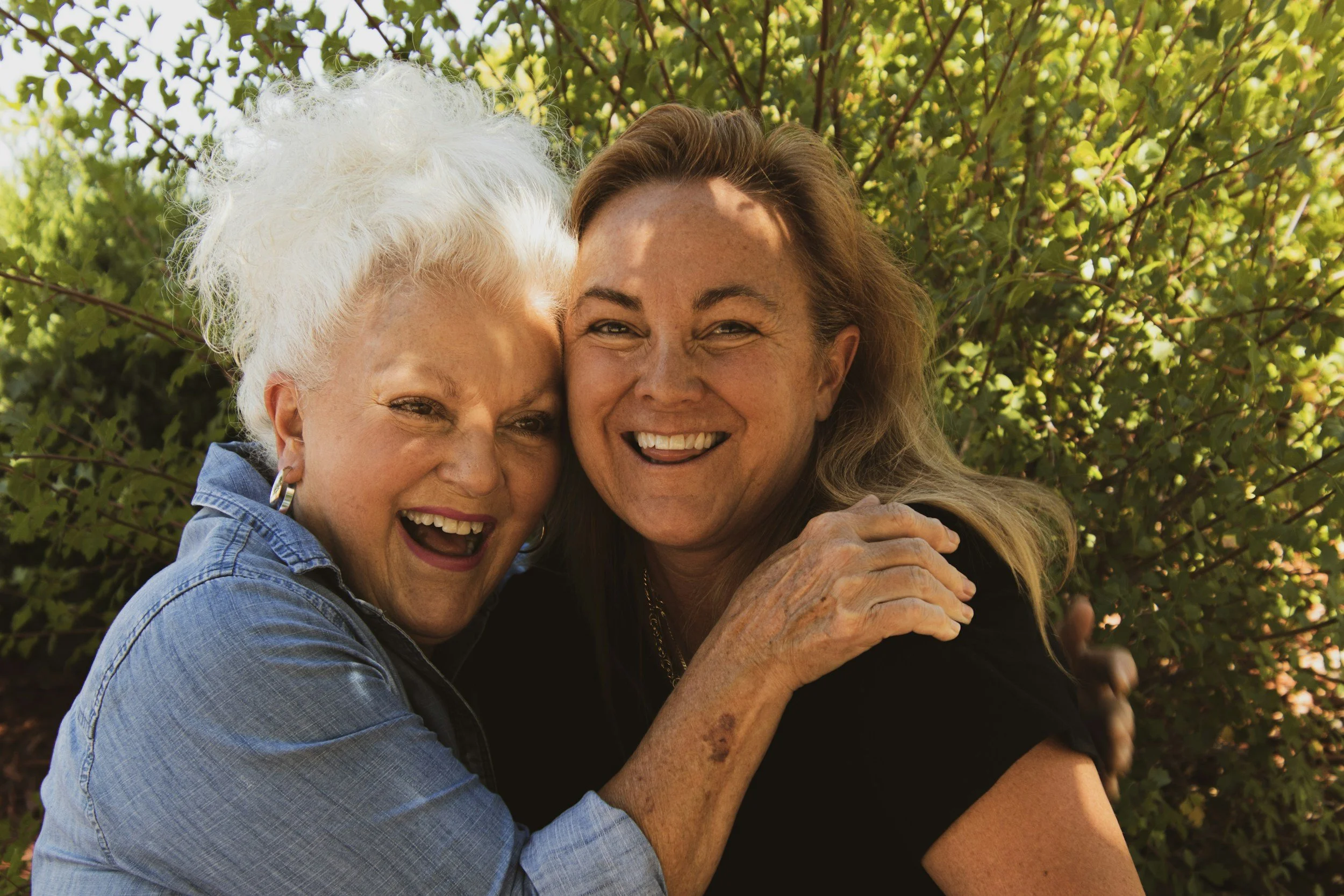
Improves Safety for Residents and Teams
By understanding behaviour as communication and using trauma-informed strategies, incidents reduce, care feels calmer, and everyone feels more secure on shift.
-
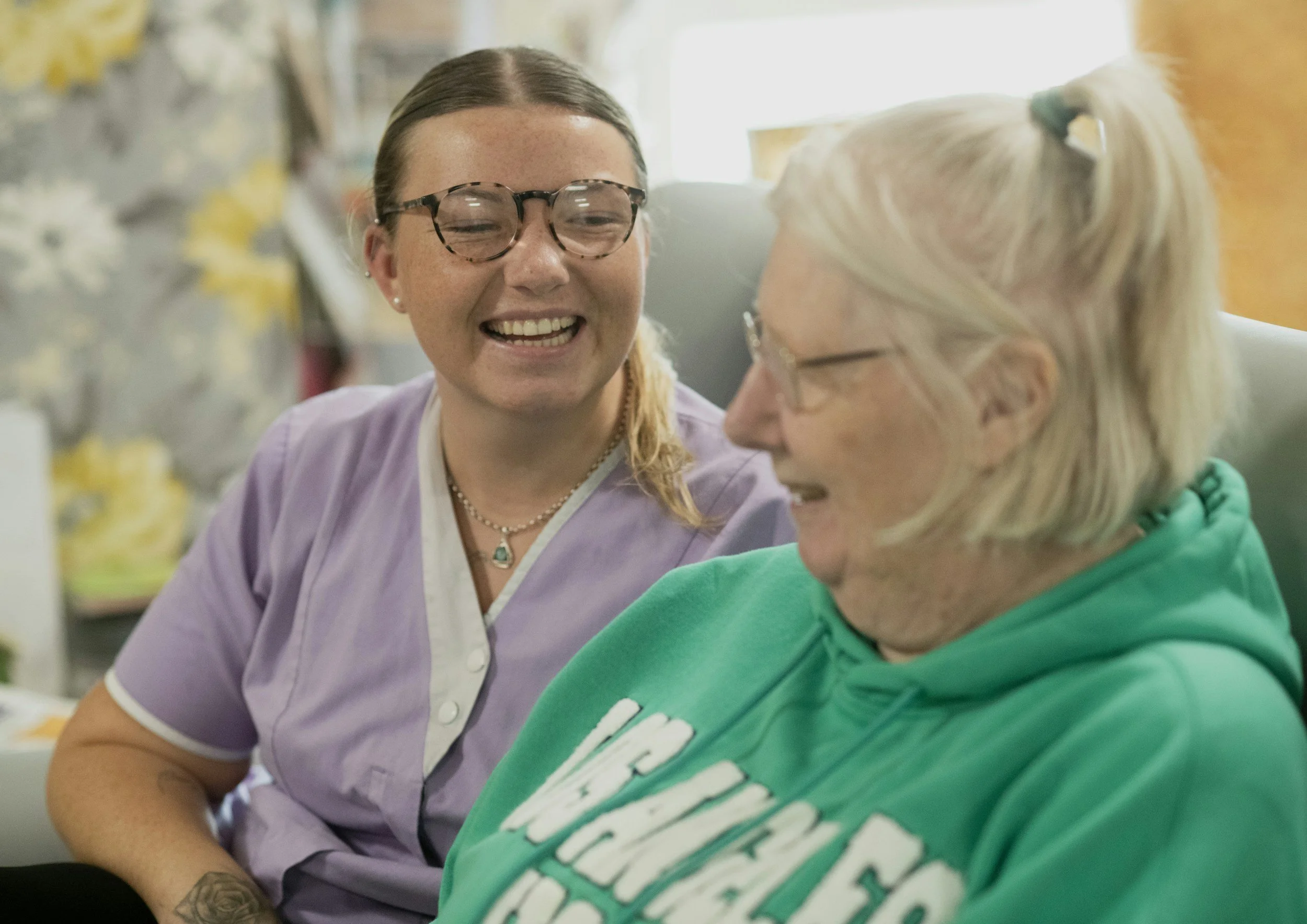
Preserves Dignity and Human Connection
Staff learn how to support residents with empathy, choice, and respect, even during personal care or high-stress situations, without sacrificing boundaries or safety.
Let’s Work Together
Leave your details below to receive a tailored training breakdown and pricing.
Trusted by teams across Australia, we’ll be in touch within 48 hours with a tailored training outline and pricing. No obligation, just clear options for your service.